
Tunneling projects present unique engineering challenges, from variable ground conditions to the strict settlement limits of overlying urban infrastructure. At Wang Technology, we deliver state-of-the-art instrumentation services that safeguard your excavation from the first cutterhead rotation to final lining installation.
Our solutions provide a continuous stream of geotechnical and structural data, allowing project managers to optimize excavation rates (whether TBM or drill-and-blast) while maintaining strict compliance with regulatory standards.
We help you visualize ground behavior in real-time, ensuring the stability of the tunnel face and the safety of the community above.
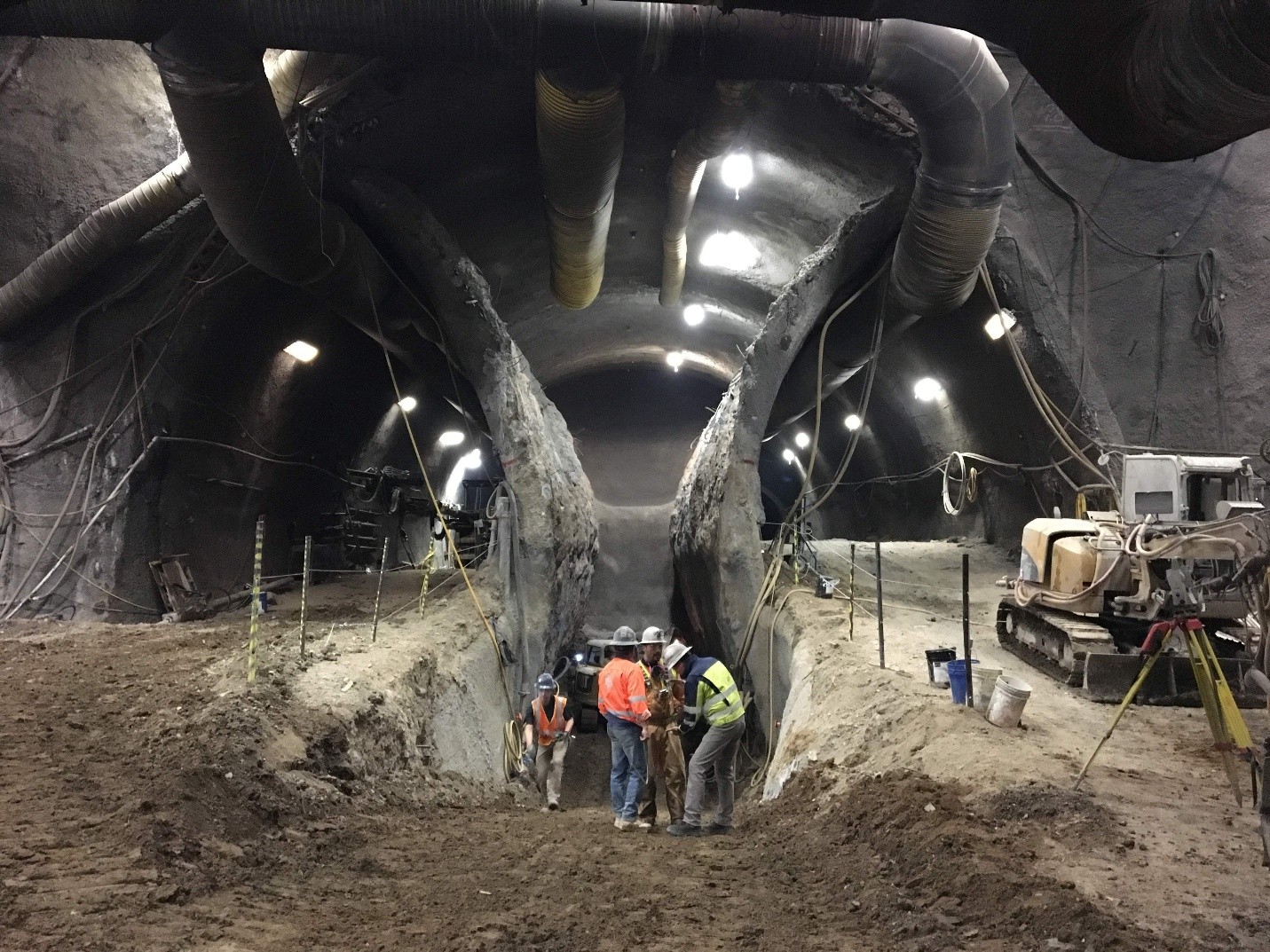
We design comprehensive monitoring programs tailored to the specific tunneling method (TBM, NATM/SEM, or Cut-and-Cover).
Monitoring the "squeeze" or deformation of the tunnel opening is critical for safety. We utilize Automated Motorized Total Stations (AMTS) paired with arrays of optical prisms installed on the tunnel ribs or lining. This system provides continuous, millimeter-accurate measurements of convergence (diameter reduction) and crown settlement, allowing engineers to verify that the primary support is holding the load effectively.
Tunneling often induces ground loss that propagates to the surface. We protect overlying assets (buildings, utilities, roads) by deploying a dual-layer monitoring strategy:
Surface: Automated settlement points and liquid level systems to track ground subsidence.
Subsurface: Multipoint Borehole Extensometers (MPBX), Piezometers and Inclinometers installed above the tunnel alignment to measure how soil layers are relaxing or shifting deep underground before surface damage occurs.
We verify the structural integrity of the final tunnel lining by embedding Vibrating Wire Strain Gauges and Pressure Cells directly into concrete segments or shotcrete layers. This data reveals the actual hoop stress and bending moments acting on the lining, confirming it can withstand the long-term lithostatic and hydrostatic loads.
Whether utilizing Tunnel Boring Machines (TBM) or drilling and blasting, excavation generates vibrations that can disturb sensitive equipment or residents nearby. Our automated seismographs monitor Peak Particle Velocity (PPV) in real-time, triggering alarms if excavation activities exceed the specific vibration criteria for nearby historical buildings or sensitive utilities.
Unexpected water inflow is a major tunneling risk. We utilize piezometers to monitor pore water pressure and groundwater levels around the excavation zone. This is vital for assessing the effectiveness of dewatering programs and preventing issues like soil liquefaction or face instability.
To match the capabilities of major competitors, we have integrated these high-tech solutions:
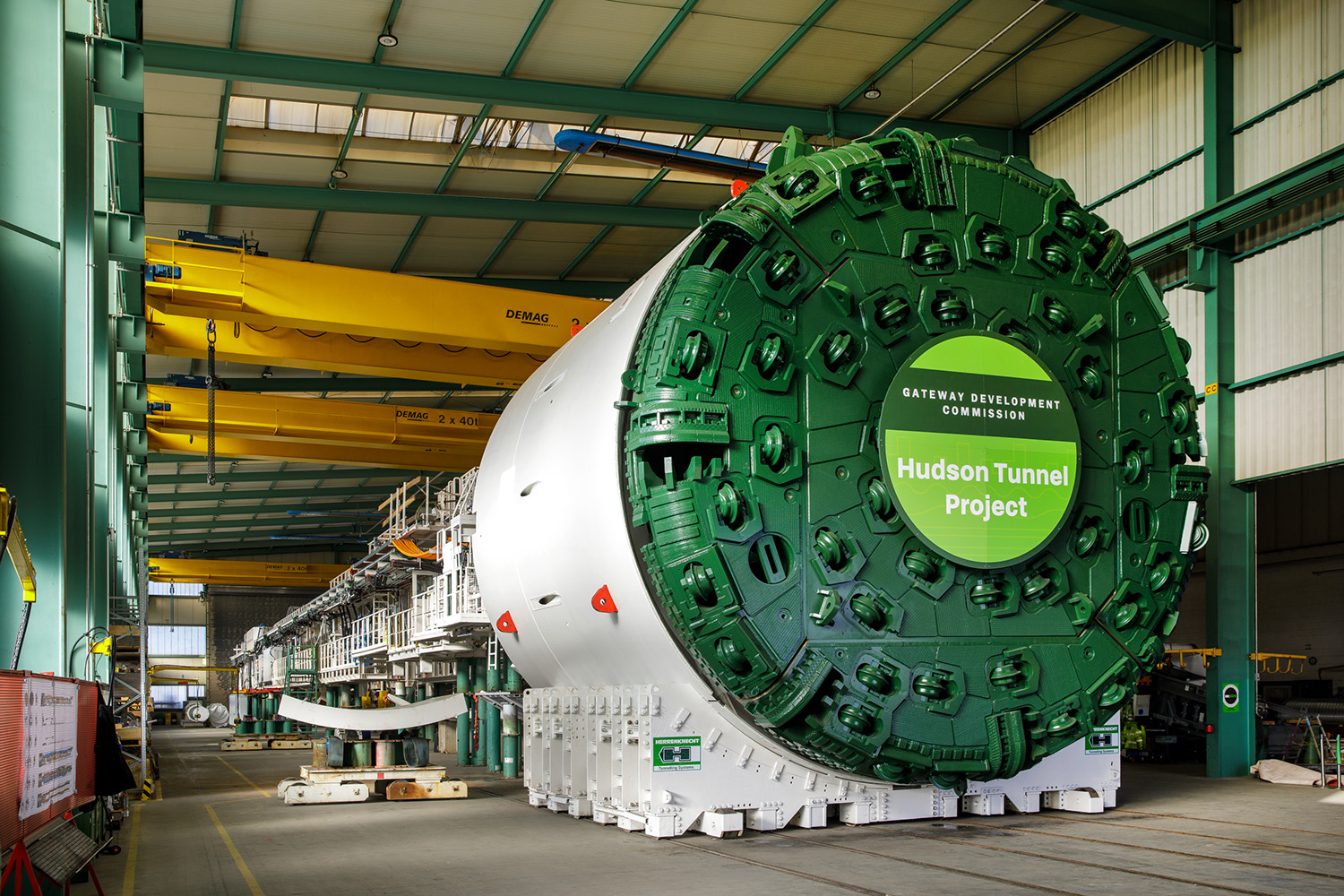
TBM Parameter Integration: We can integrate our geotechnical monitoring data with the Tunnel Boring Machine's operational parameters (thrust, torque, penetration rate). This "correlated data" helps engineers understand how TBM operation is affecting the ground in real-time.
LiDAR Scanning for As-Built Verification: We utilize mobile LiDAR scanners to create a high-density 3D map of the tunnel interior. This is used to check for under-break/over-break (excavation accuracy) and to create a permanent digital record of the tunnel geometry for asset management.
Wireless Data Transmission Underground: Traditional cabling is difficult to manage in active tunnels. We utilize robust wireless mesh networks that hop data from sensor to sensor until it reaches the portal, ensuring reliable data flow without the clutter of cables.
.jpg)
-(M).jpg)
.jpg)
.jpg)