Preserving integrity through non-destructive intelligence.
Wang Technology's Structural Health Monitoring services provide a critical pulse on the safety and performance of your infrastructure. We use innovative, non-destructive methods to assess structural integrity without interrupting operations or compromising the asset itself.
By embedding advanced sensors and deploying robust data acquisition systems, we monitor both the construction project and surrounding established infrastructure: determining in real time whether construction activity, environmental loads, or aging are adversely affecting structural stability. Our solutions deliver detailed reports on serviceability and fatigue, providing early warnings of potential damage so you can make data-driven maintenance decisions.
Advanced Monitoring Activities
04 activitiesDynamic Strain Monitoring
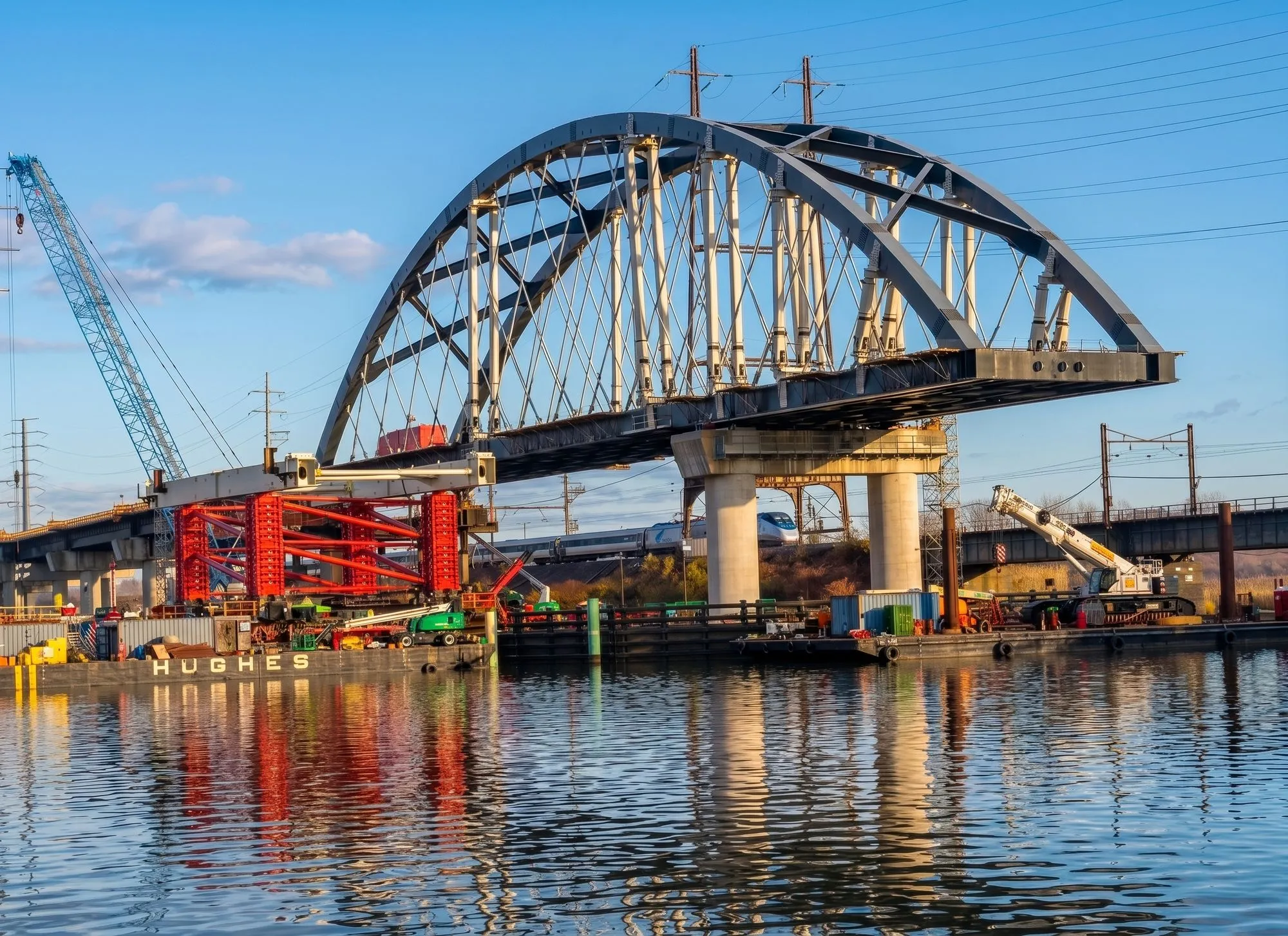
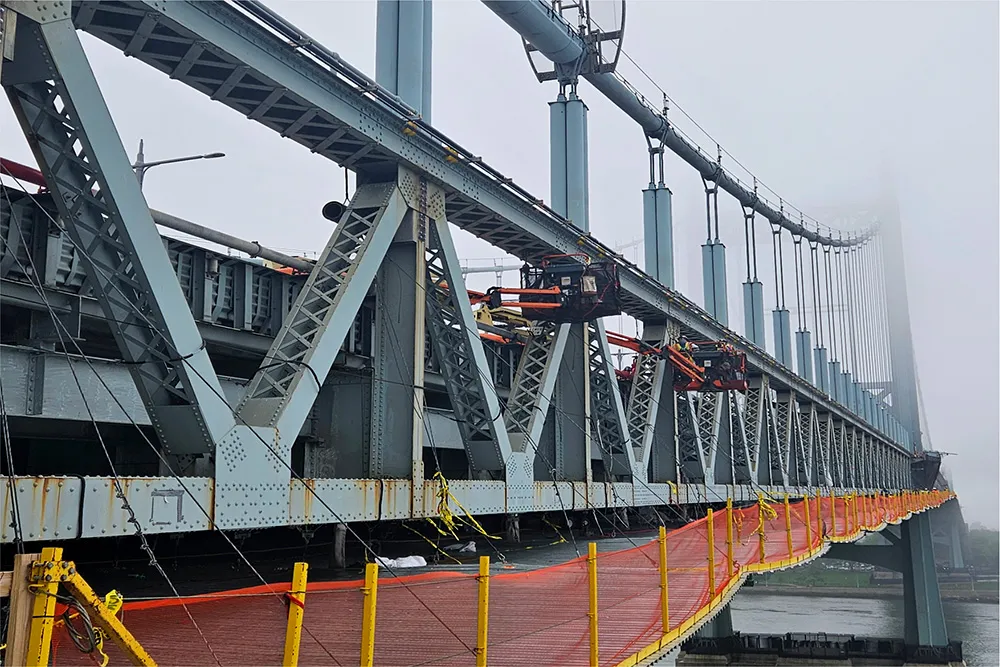
Captures high-frequency data to assess how structures respond to transient loads: moving traffic, wind gusts, machinery vibration. High-speed strain gauges measure stress cycles to estimate the remaining fatigue life of steel and concrete and verify that live loads stay within design limits.
Meteorological Monitoring
Weather stations monitor wind speed and direction, rainfall, and temperature: critical for normalization, distinguishing natural thermal expansion and contraction from genuine structural anomalies. Essential for analyzing the sway and deflection of tall buildings and long-span bridges.
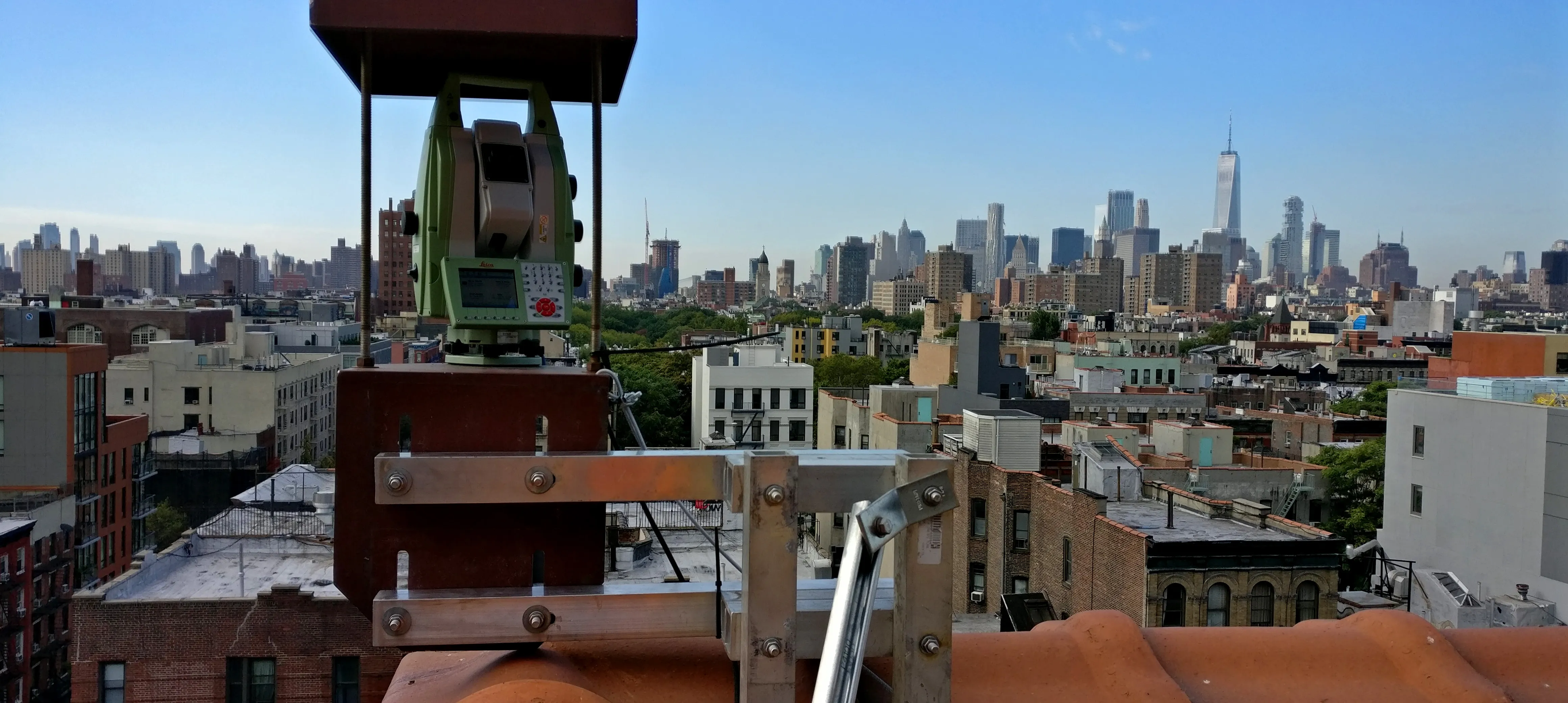
Global Navigation Satellite Systems (GNSS)
Advanced GNSS receivers at key structural points provide continuous millimeter-level 3D positioning: tracking long-term settlement and thermal displacement in absolute global coordinates. Ideal where optical surveying isn't feasible, such as suspension bridges, dams, and slopes.
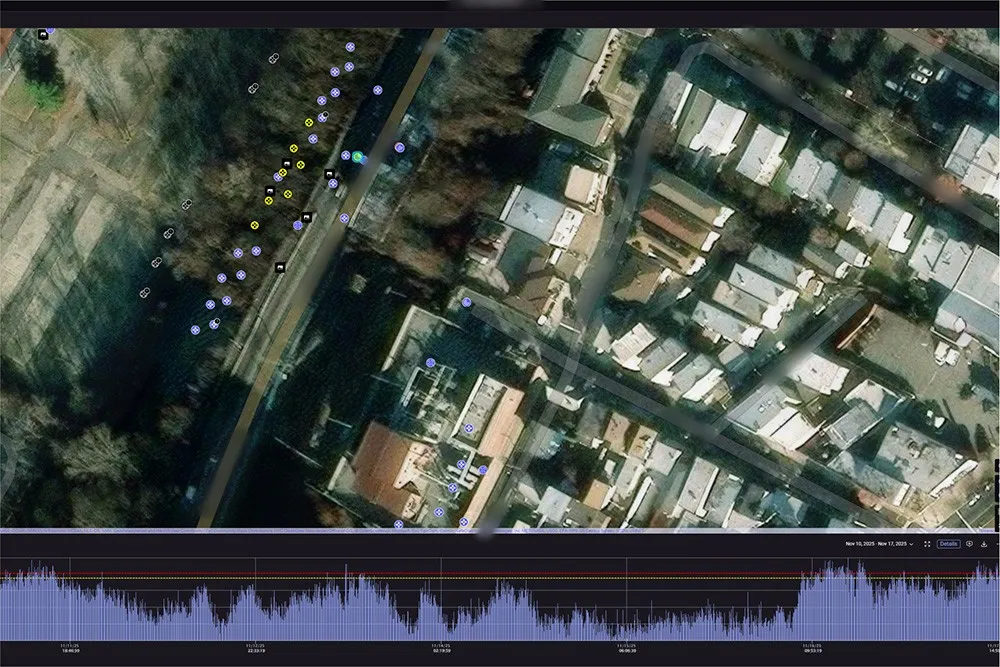
InSAR-Based Deformation Monitoring
Interferometric Synthetic Aperture Radar uses satellite imagery to measure millimeter-scale ground deformation across vast areas: city blocks, pipeline corridors. Valuable for establishing historical movement baselines before construction and monitoring regional stability without on-site personnel.
Cutting-Edge SHM Additions
Fiber Optic Sensors
Use light instead of electricity to measure strain and temperature, with high durability and immunity to electrical interference. Ideal for embedding in concrete foundations, tunnels, or explosive environments.
Modal Analysis & Accelerometers
Analyze the natural frequency and mode shapes of a structure. A change in natural frequency over time often indicates a loss of stiffness or structural damage.