Precision data for risk mitigation and structural integrity.
At Wang Technology, we provide comprehensive monitoring services that safeguard your assets from ground-breaking to project completion and beyond. Our approach combines state-of-the-art instrumentation with real-time data analysis to deliver actionable insights: robust risk-management solutions designed to identify potential issues early, reduce risk exposure during critical construction phases, and ensure the long-term stability of infrastructure throughout its entire lifecycle.
Whether navigating complex urban excavations or maintaining aging infrastructure, our in-depth experience in deformation monitoring and predictive risk management keeps your project, and the community around it, protected.
Advanced Monitoring Solutions
07 capabilitiesAutomated Motorized Total Stations (AMTS)
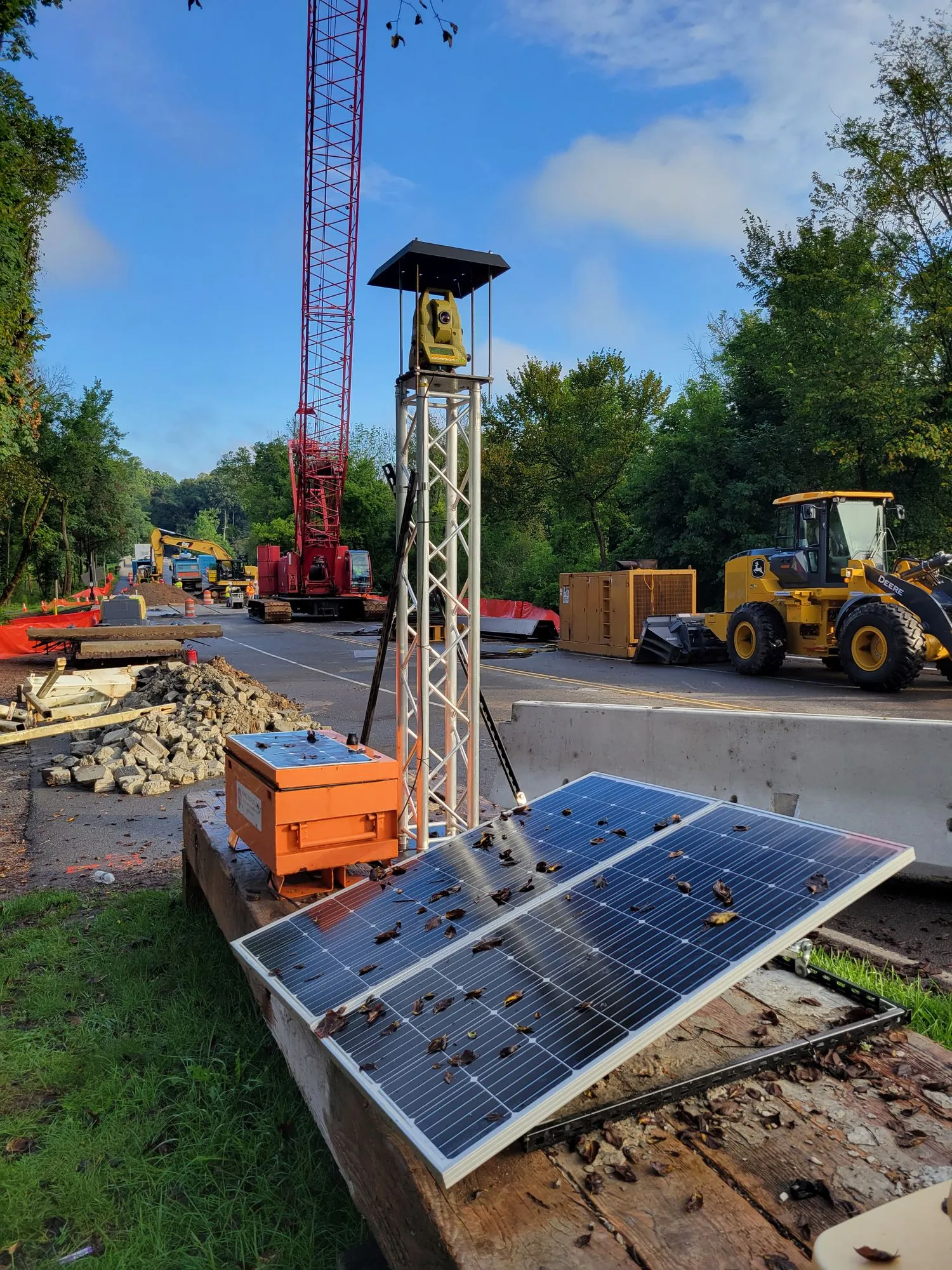
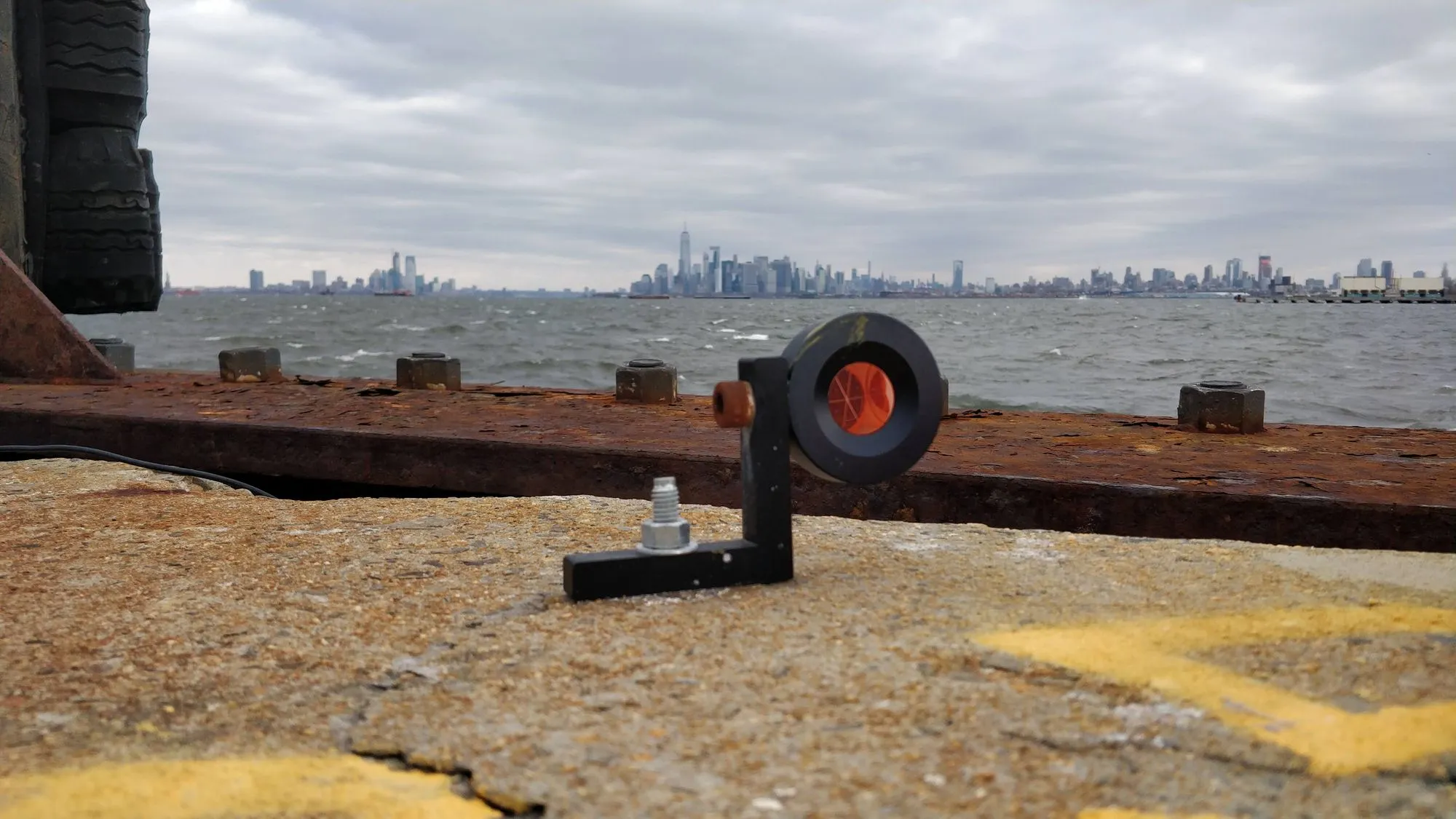
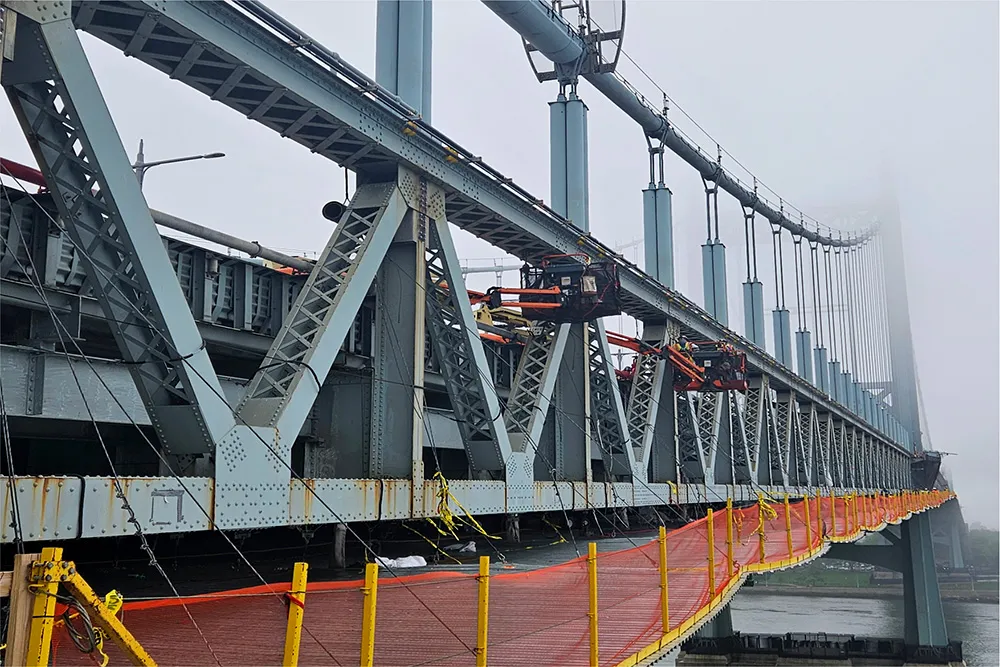
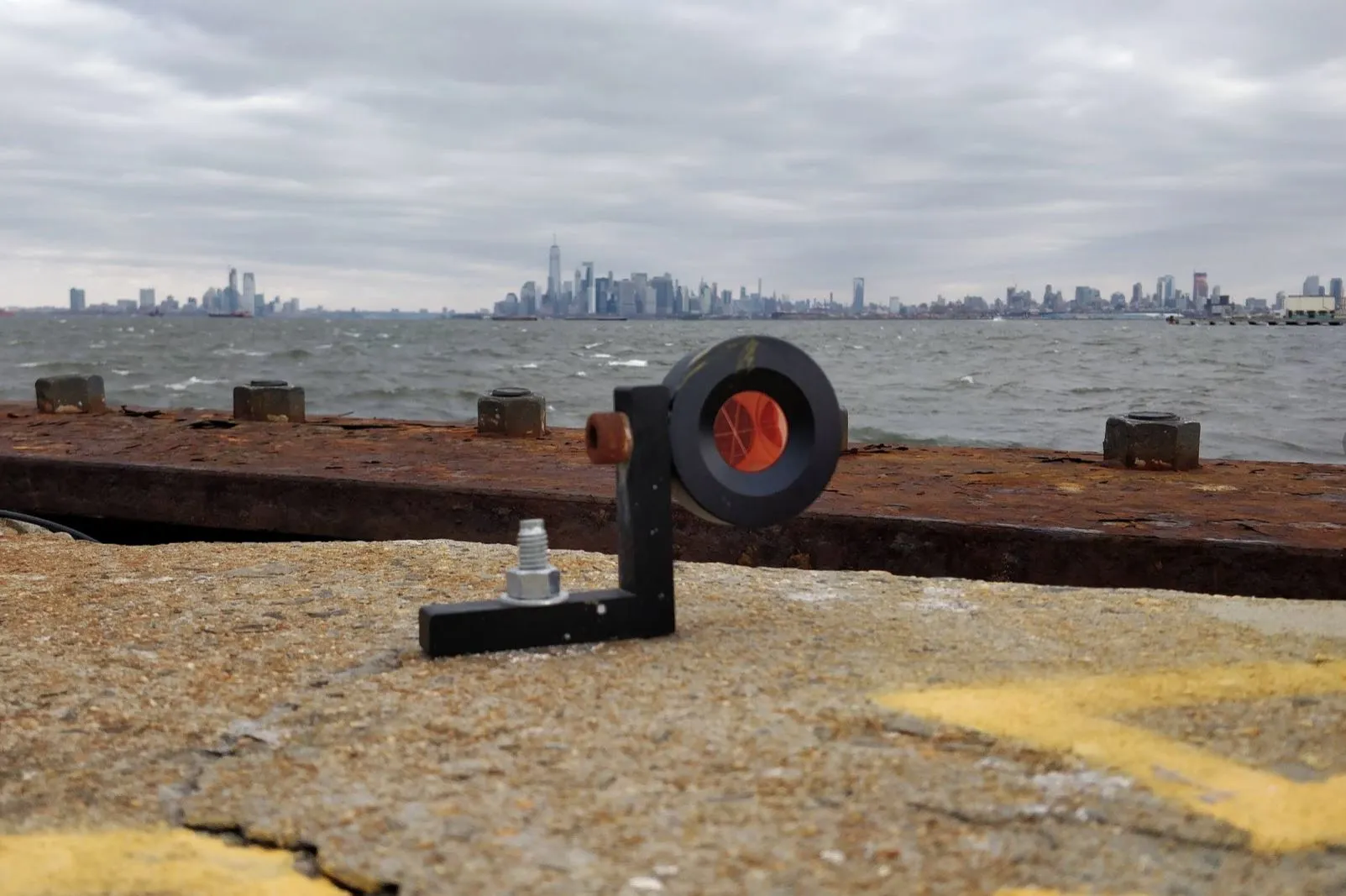
Robotic total stations provide continuous, high-frequency optical monitoring of structural displacement. By automatically targeting prisms on buildings, bridges, railroads, dams, or tunnels, we capture 3D coordinate changes with millimeter-level accuracy: immediate detection of settlement or lateral movement without manual surveying.
Vibration Monitoring
Automated seismographs continuously measure Peak Particle Velocity (PPV) and frequency from blasting, pile driving, and heavy excavation. Systems trigger immediate alarms if levels exceed project specifications or regulatory limits.
Shape Array (SAA) Monitoring
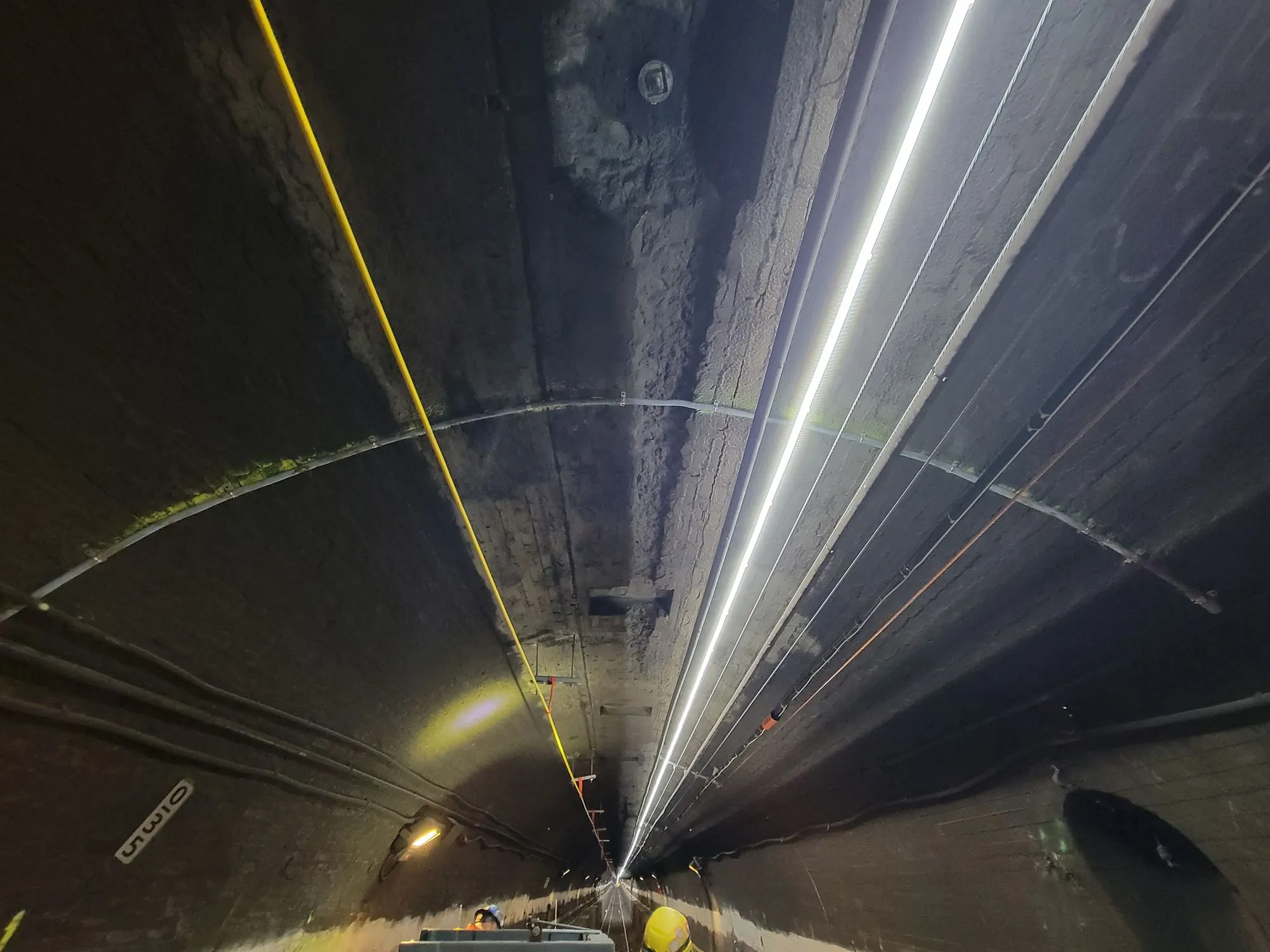
Robust chains of rigid segments connected by flexible joints measure 3D deformation along their entire length: installed vertically for lateral deflection in boreholes, horizontally for settlement, or for tunnel convergence. Ideal for unstable slopes, embankments, and deep excavations.
Inclinometer Monitoring
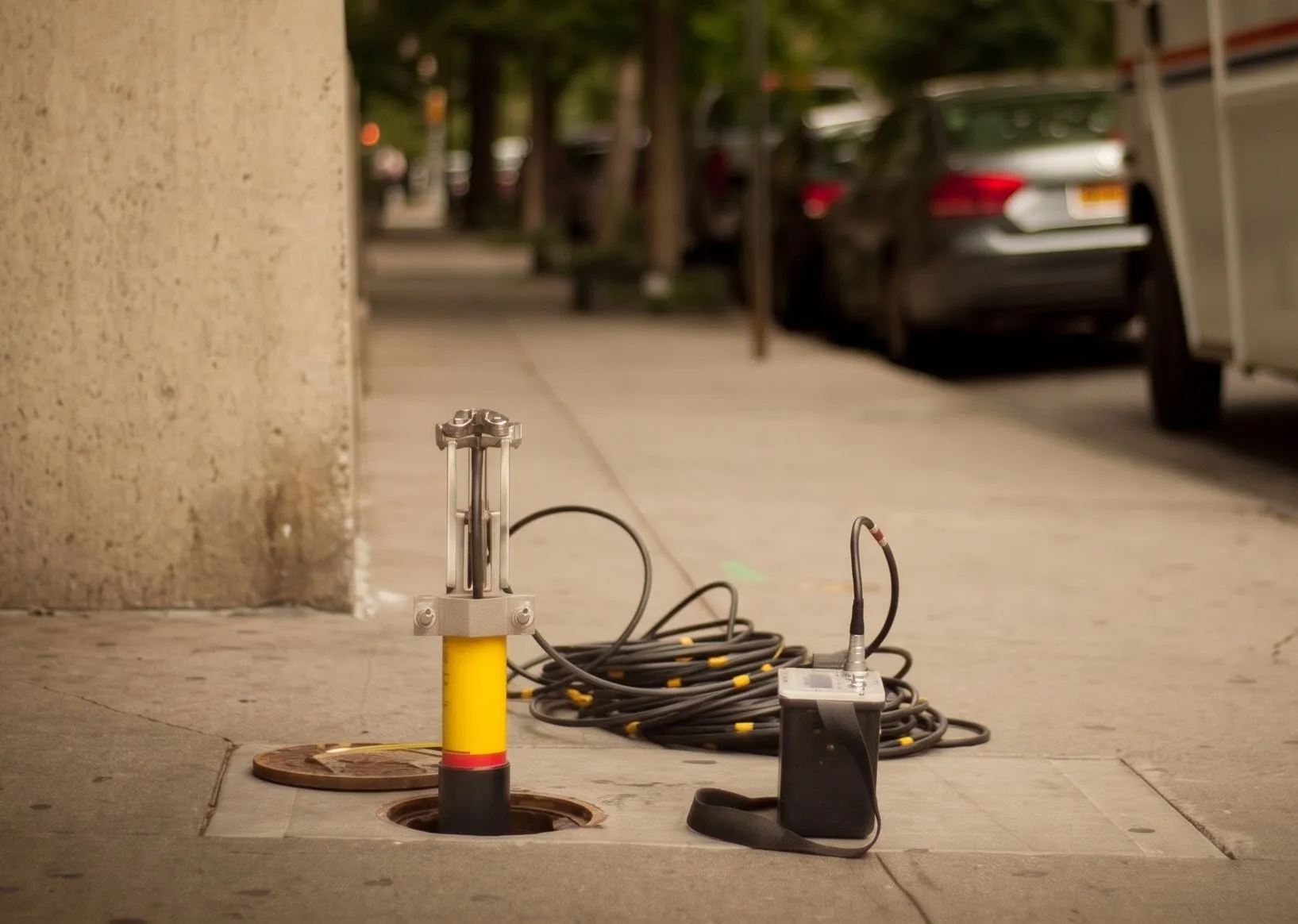
Manual and in-place inclinometers monitor lateral ground movement deep beneath the surface: critical for retaining-wall performance, landslide detection, and soil stability during deep excavation.
Tiltmeter Monitoring
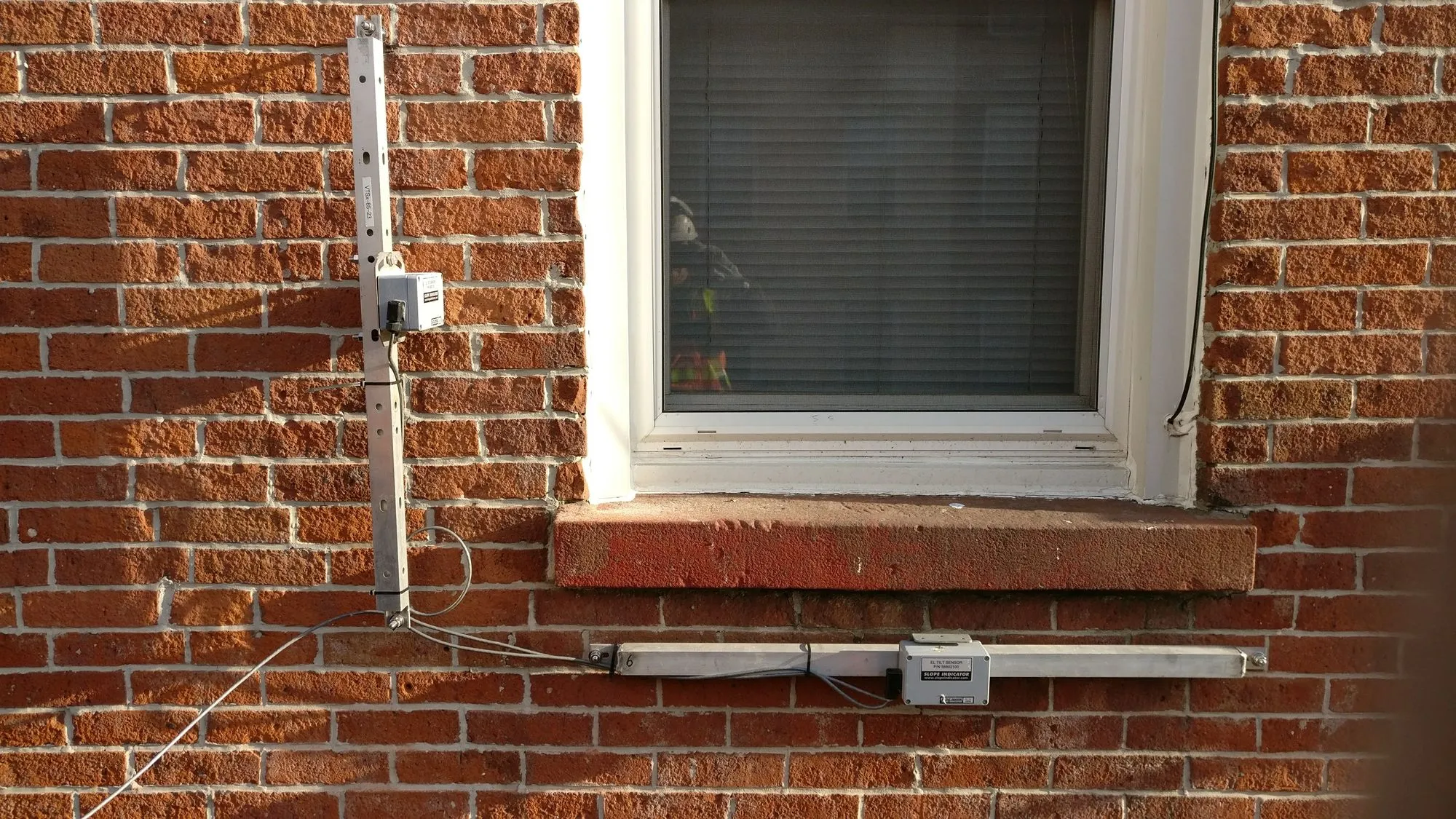
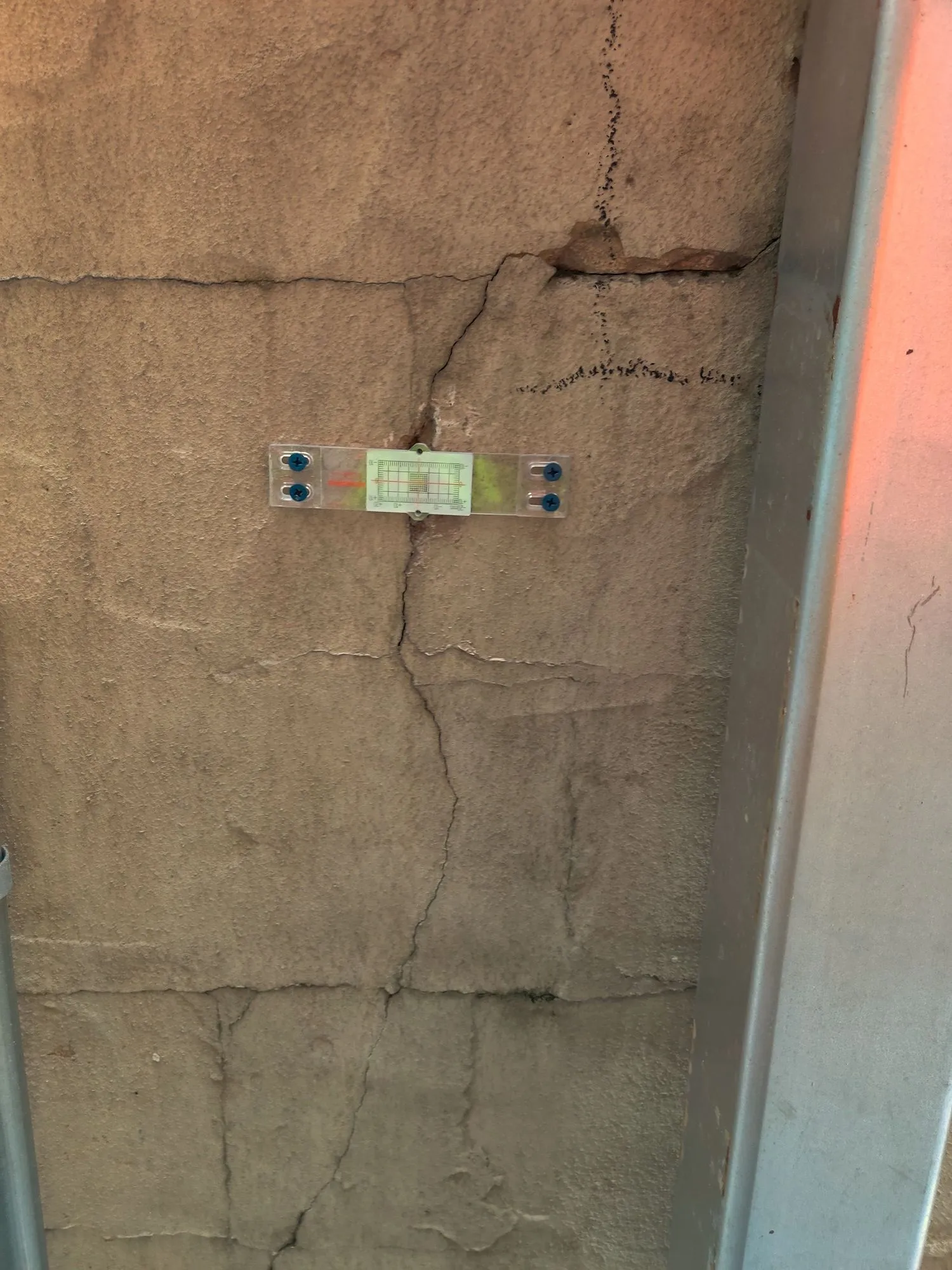
Installed on facades, retaining walls, or bridge piers to detect minute changes in inclination: helping engineers distinguish thermal expansion from genuine structural instability.
Stress & Strain Monitoring
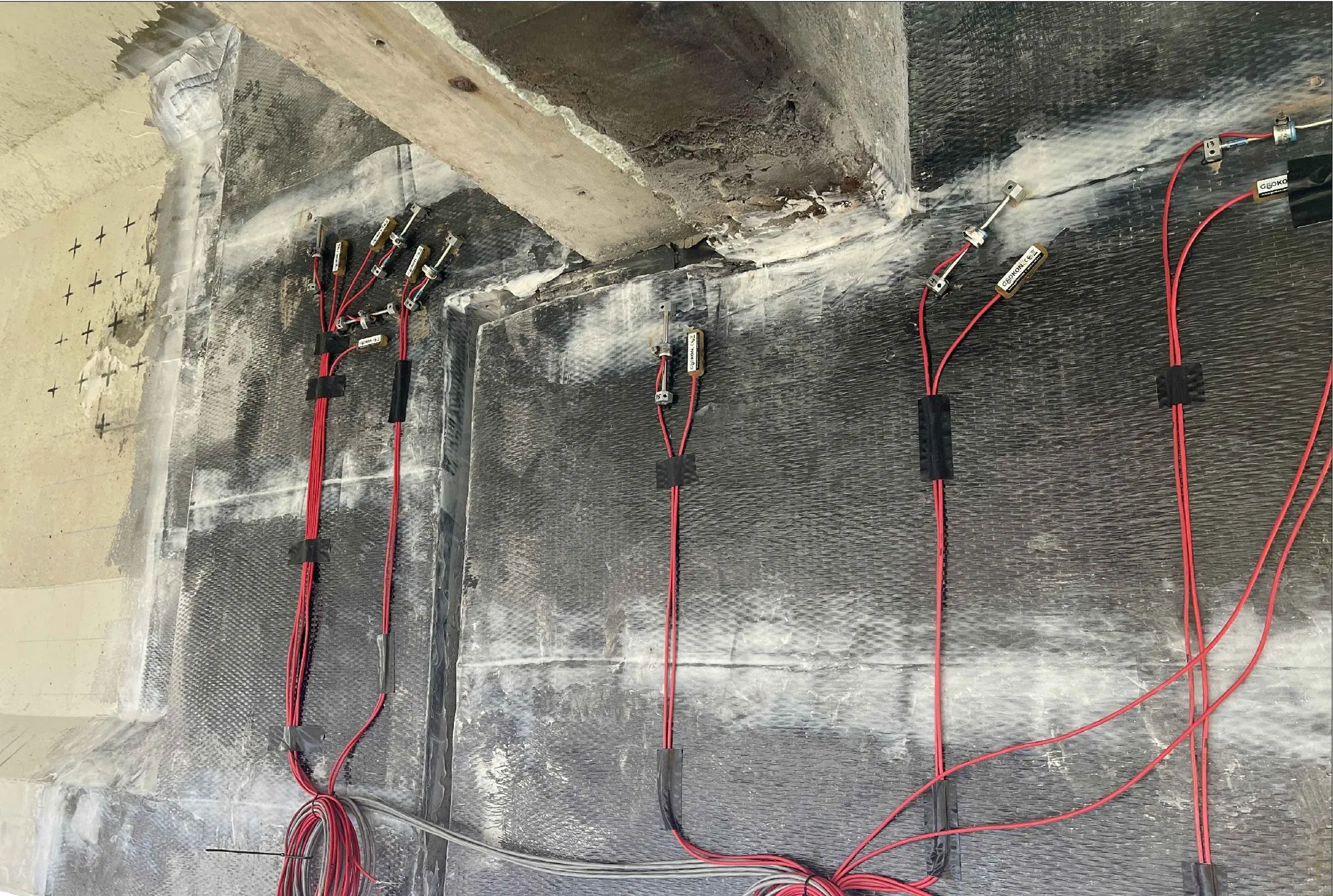
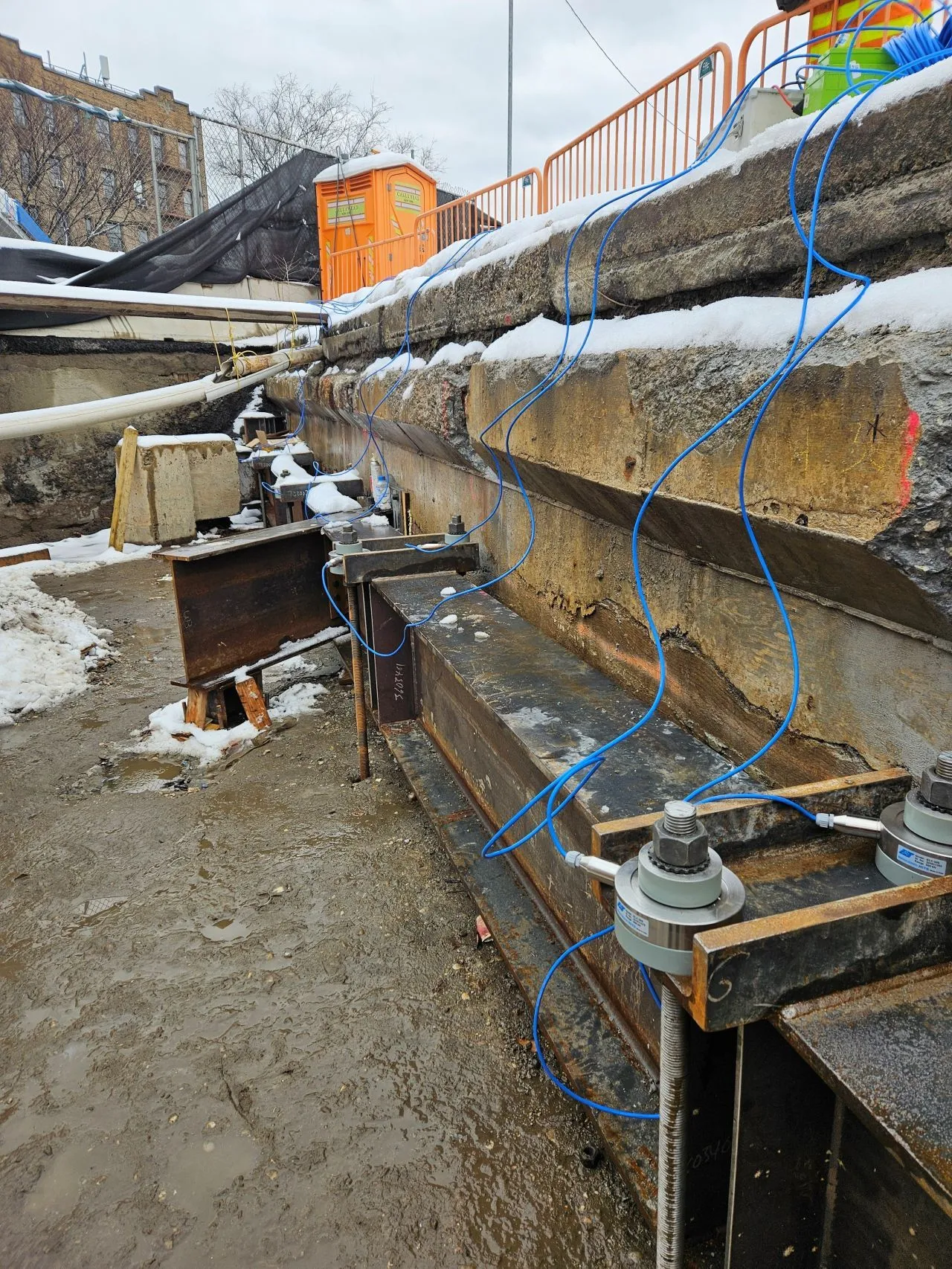
Strain gauges and load cells measure internal forces on structural members, verifying that temporary supports (struts, walers) and permanent structures perform within design load capacities.
Pore Pressure and Water Level Monitoring
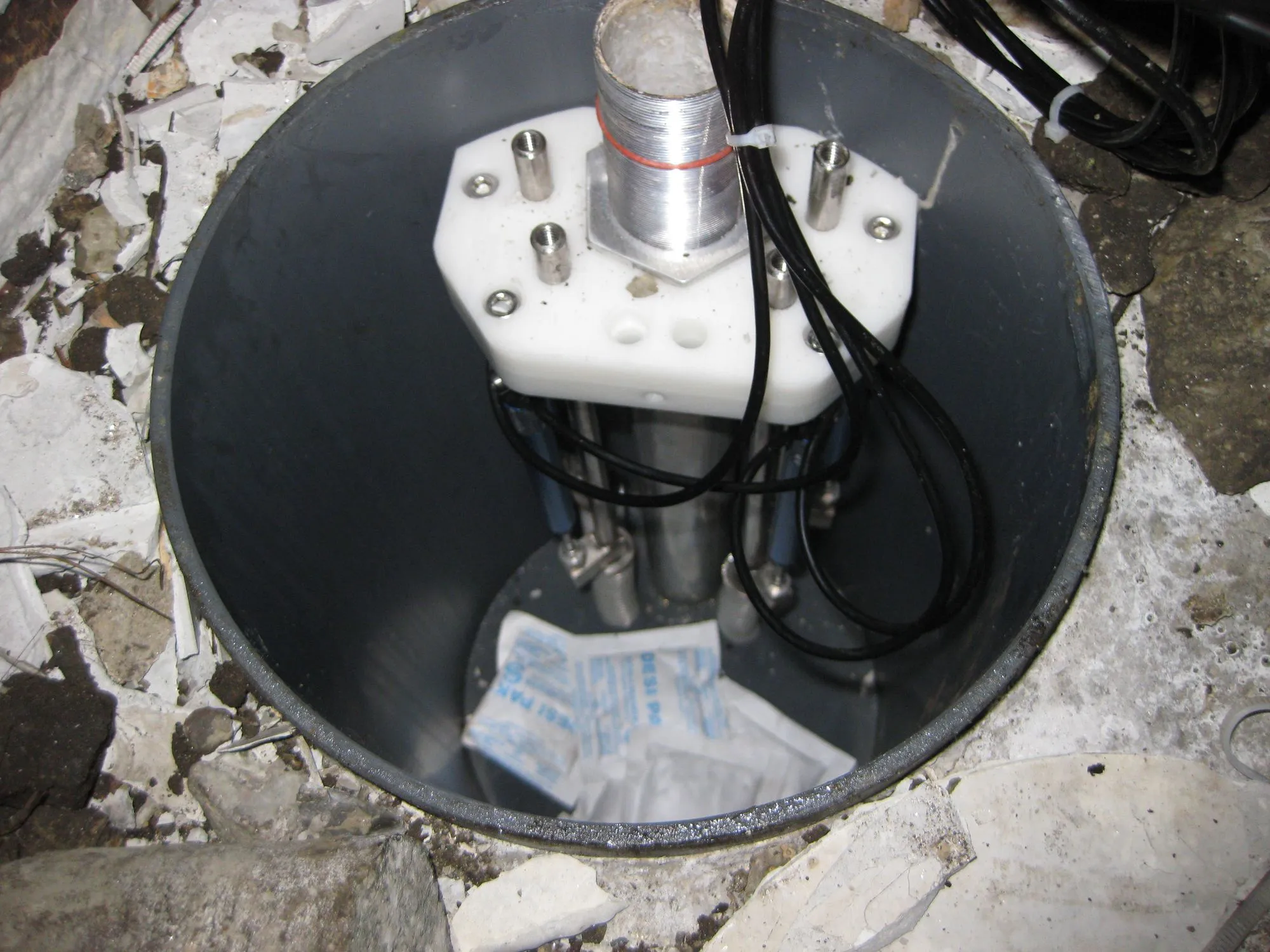
Vibrating-wire and pneumatic piezometers monitor groundwater levels and pore pressure: crucial for predicting soil consolidation and preventing hydraulic uplift or slope failure.
Next-Gen Technology Integrations
LiDAR & Laser Scanning
Light Detection and Ranging creates high-density 3D point clouds for precise "digital twin" creation: verifying as-built conditions and detecting surface deformation across vast areas single-point sensors might miss.
Wireless Nodes & IoT Gateways
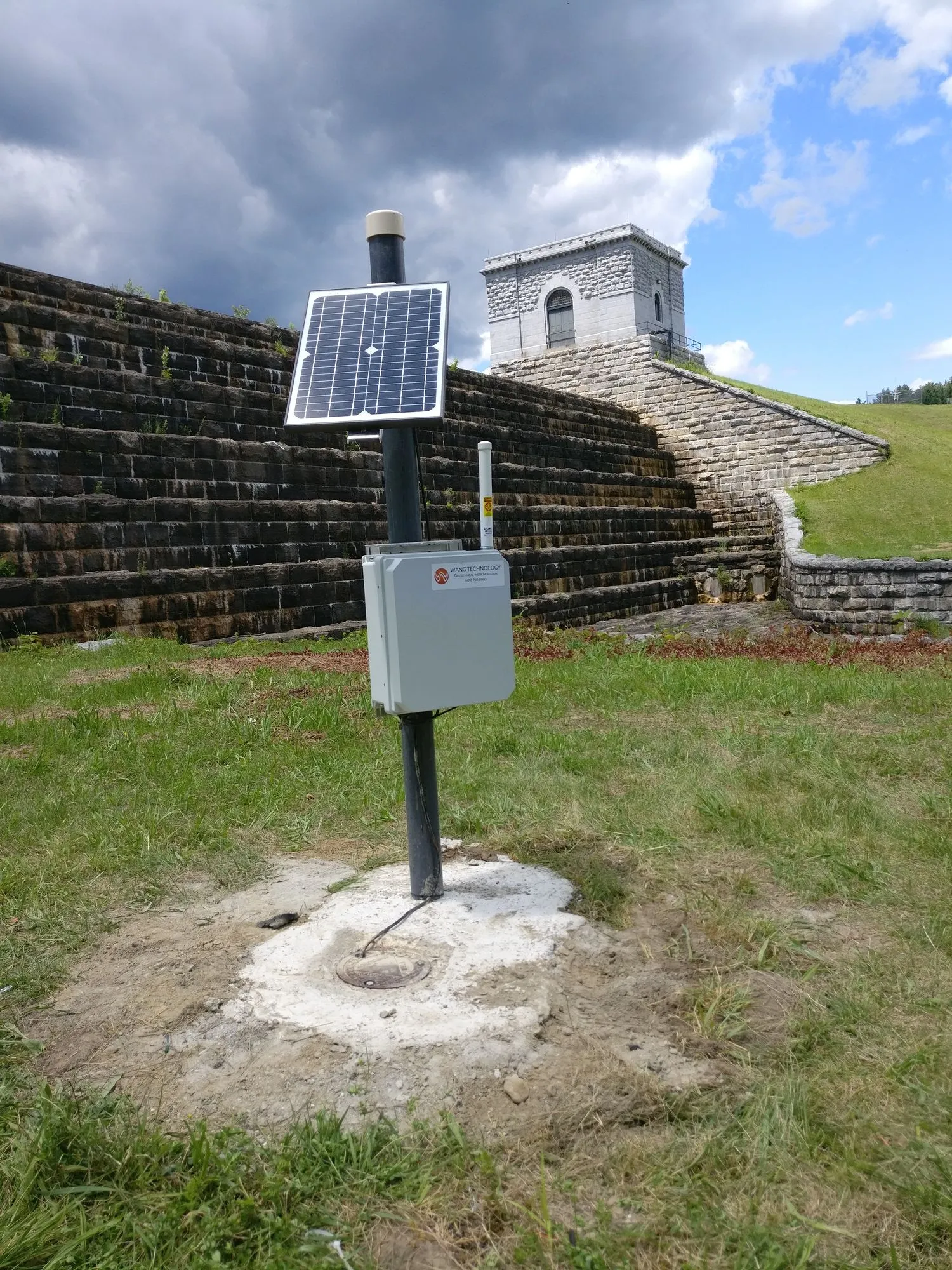
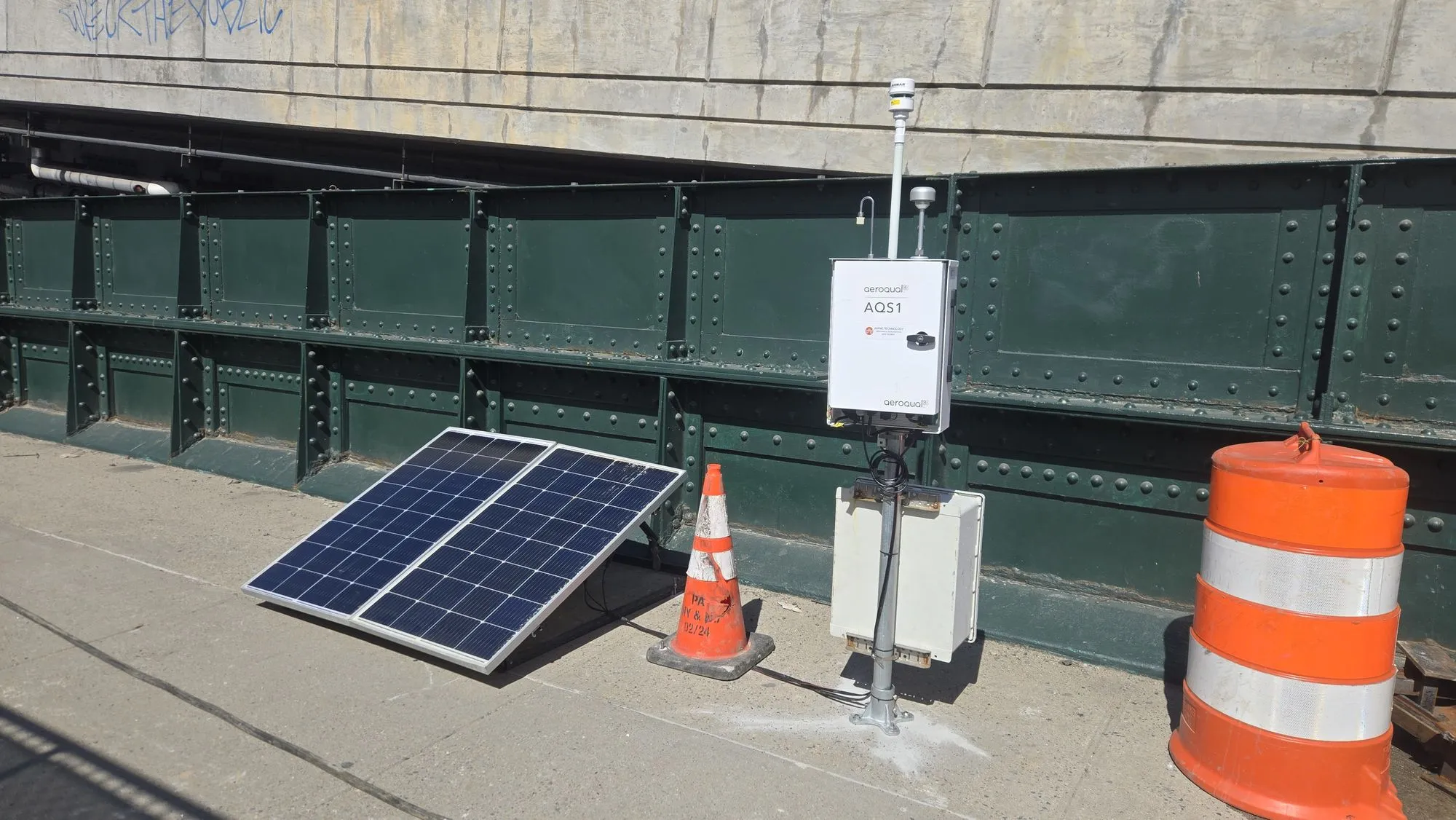
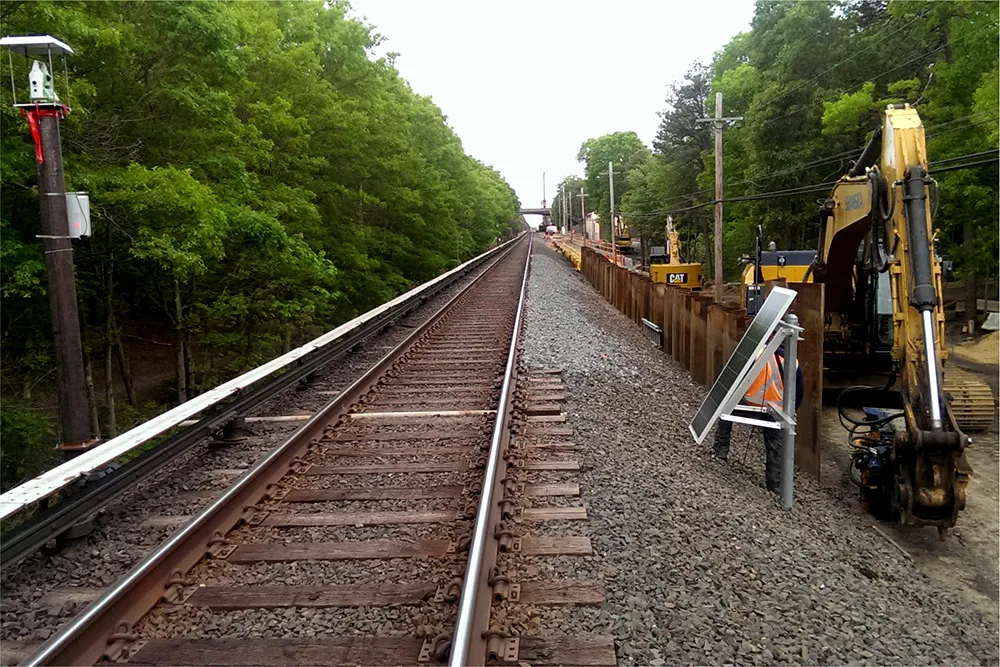
Robust wireless mesh networks and IoT gateways aggregate data from all on-site sensors for reliable, near-real-time transmission to our cloud platform: 24/7 access to project health data from any device.
The instruments behind the data.
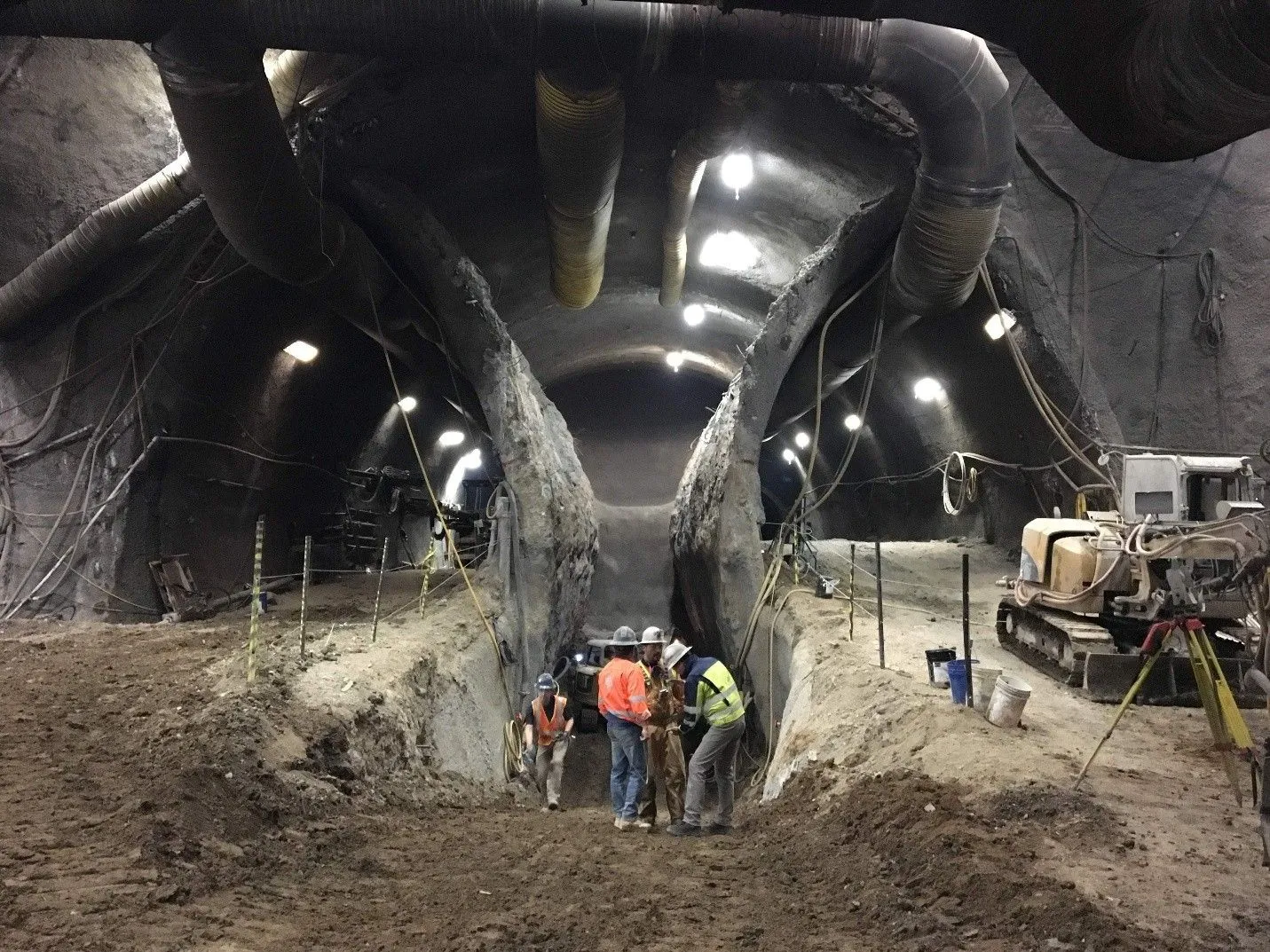
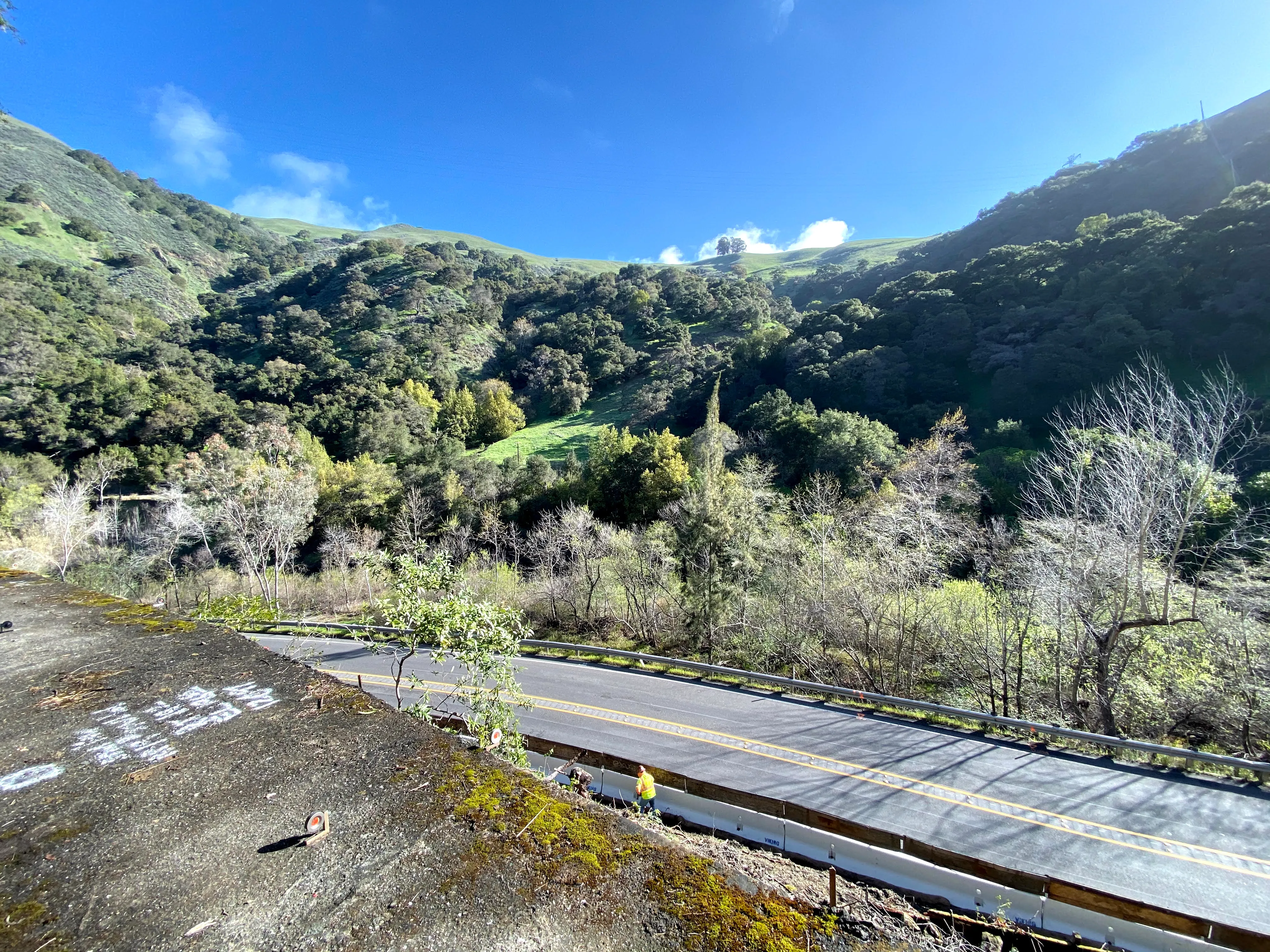
Photographed on our own sites. Every featured project page lists which of these were deployed.